

Black Friday Weekend Store Setup: Traffic Flow, Doorbusters, and the Counter Plan for Beauty Supply Stores
Thanksgiving weekend 2025 drew a record 202.9 million shoppers, and Black Friday remained the biggest in-store day of the holiday season, with 80.3 million people shopping in person (NRF, Dec 2025). At the same time, Black Friday is "no longer a single shopping day": demand starts building well before the Friday and runs through the weekend (NIQ, 2026).
By now your holiday displays are up. This post is about something different: how the store functions when it's full. A beauty supply store that's merchandised for a Tuesday afternoon behaves badly on the one weekend when every aisle has three people in it. Here's the four-day setup, zone by zone.
The doorbuster table: bait placed deep
A doorbuster's job isn't margin, it's gravity. Whatever your traffic item is for the weekend, don't put it in the window or by the door. Place the doorbuster table two-thirds of the way into the store, so every shopper who came for the deal walks past your full-margin shelves twice: once in, once out.
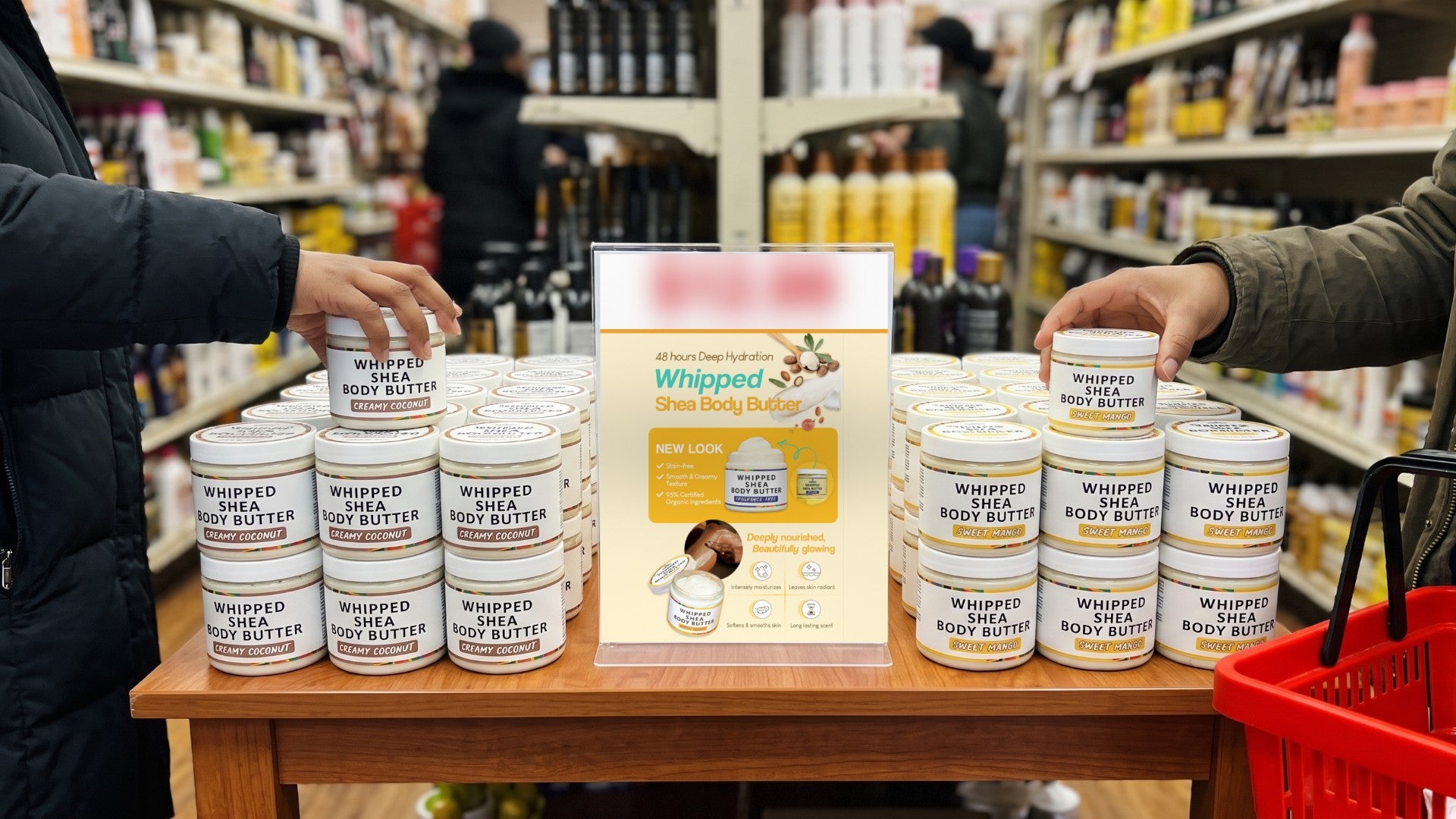
What makes a beauty supply doorbuster: one item, real value, big visible quantity, and a price ending that reads like a decision ($5, not $5.49). A stacked table of a single hero product reads "event"; a scattered shelf of small discounts reads "Tuesday." You don't have to discount deep. A bundle at a sharp price point does the same job if the perceived value is obvious at six feet.
One rule: whatever you doorbust, order enough that it survives Friday morning. An empty doorbuster table by 11 a.m. turns the weekend's traffic engine into an apology.
Walk the path before Friday does
Take an empty basket Thursday night and walk your own store like a stranger:
- Clear the first six feet. Shoppers entering a store need a few steps to slow down and start seeing product, so nothing critical lives right inside the door. Signage there should be big, simple, and about the event, not a specific SKU.
- Widen the main lane. The route from entrance to doorbuster to register has to fit two carts or baskets passing. Pull promotional shippers and floor stacks out of the main artery and into aisle ends for the weekend, even if they sell fine there normally.
- Protect the destination aisles. The hair aisle is where your regulars are going no matter what. If the doorbuster crowd blocks it, you lose your highest-intent customers to impatience. Keep the two separated.
This is retail craft, not science, but it's the kind that only works if it's done before Friday, not during.
Staff the scent wall like a department
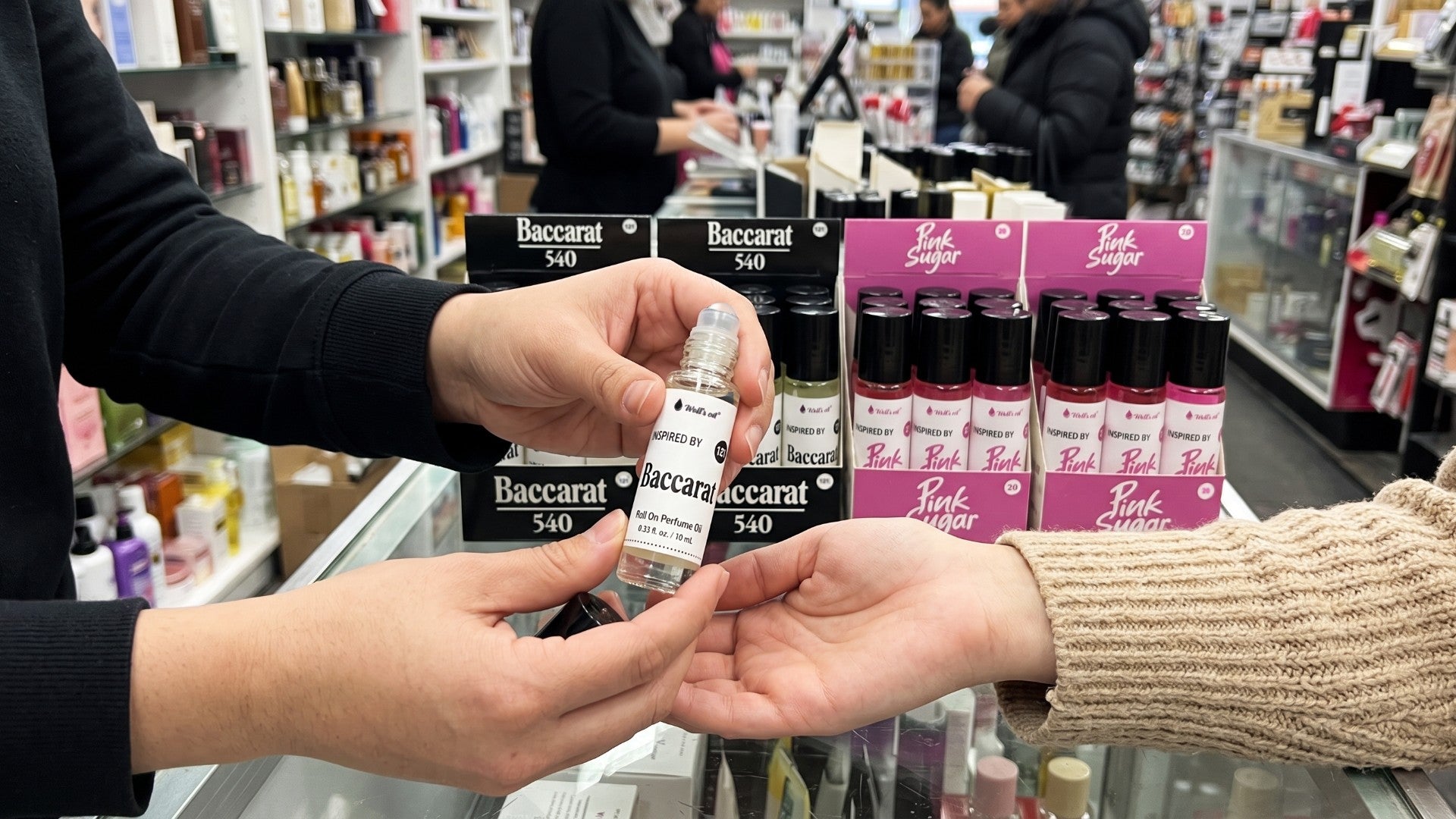
Brand experience was the top-reported purchase driver for holiday beauty shoppers (62%), and fragrance was the category most of them intended to buy, at 71% (NIQ, via Glossy; last holiday cycle, directional). On the biggest in-person weekend of the year, that intersection is your scent wall.
Testers out, caps off, and (this is the staffing call) one person near the wall during peak hours whose whole job is "want to smell this one?" A perfume body oil wall sells itself to a browser with time; on Black Friday nobody has time, so the staffer compresses the browse. Shoppers who find a scent they love rarely buy just one when the price point is an impulse decision.
The line is a selling zone
If the register line on Black Friday reaches five people, it's a merchandising fixture, so treat it like one. Everything within arm's reach of a waiting customer should be a no-decision add-on: small-format items at impulse prices a customer can drop in the basket without breaking conversation. We covered the counter zone itself in our checkout counter merchandising post. The Black Friday difference is depth: stock the line path, not just the countertop.
Two operational calls for the weekend. First, a speed option: if you have a second register or a card reader that can take a line's simple transactions, run it during peak hours. Second, keep small, valuable items away from the door: the busiest weekend is also the highest-shrink weekend, so small high-value items (lenses, electronics-adjacent tools) stay behind or beside the counter where someone stands all day.
Friday night: flip the story to Saturday
Saturday, Nov. 28, is Small Business Saturday, the shopping day American Express launched in 2010 to help small businesses gain exposure and get shoppers buying local (National Today). That's not a leftovers day; it's your day. The big boxes own Friday, and independents own Saturday.
So don't let Saturday's shopper walk into Friday's wreckage. At Friday close, restock the doorbuster table or convert it to a "local favorites" table, swap the event signage from deal-led to shop-small-led, and put the self-treat story forward. 54% of consumers planned to treat themselves over the holidays (NIQ, via Glossy), and the Saturday customer shopping her neighborhood beauty supply store is the self-treat customer.
Sunday night: the Cyber Monday reset
Sunday close is the weekend's last job, and it takes thirty minutes: face the shelves, consolidate what's broken, and write down every hole the weekend tore, from the tones that sold off the lens wall to the scents that emptied on the oil wall and the counter stock that's gone. Cyber Monday shoppers come back in person all week for what they saw online, and December selling starts with whatever your shelves look like Monday morning.
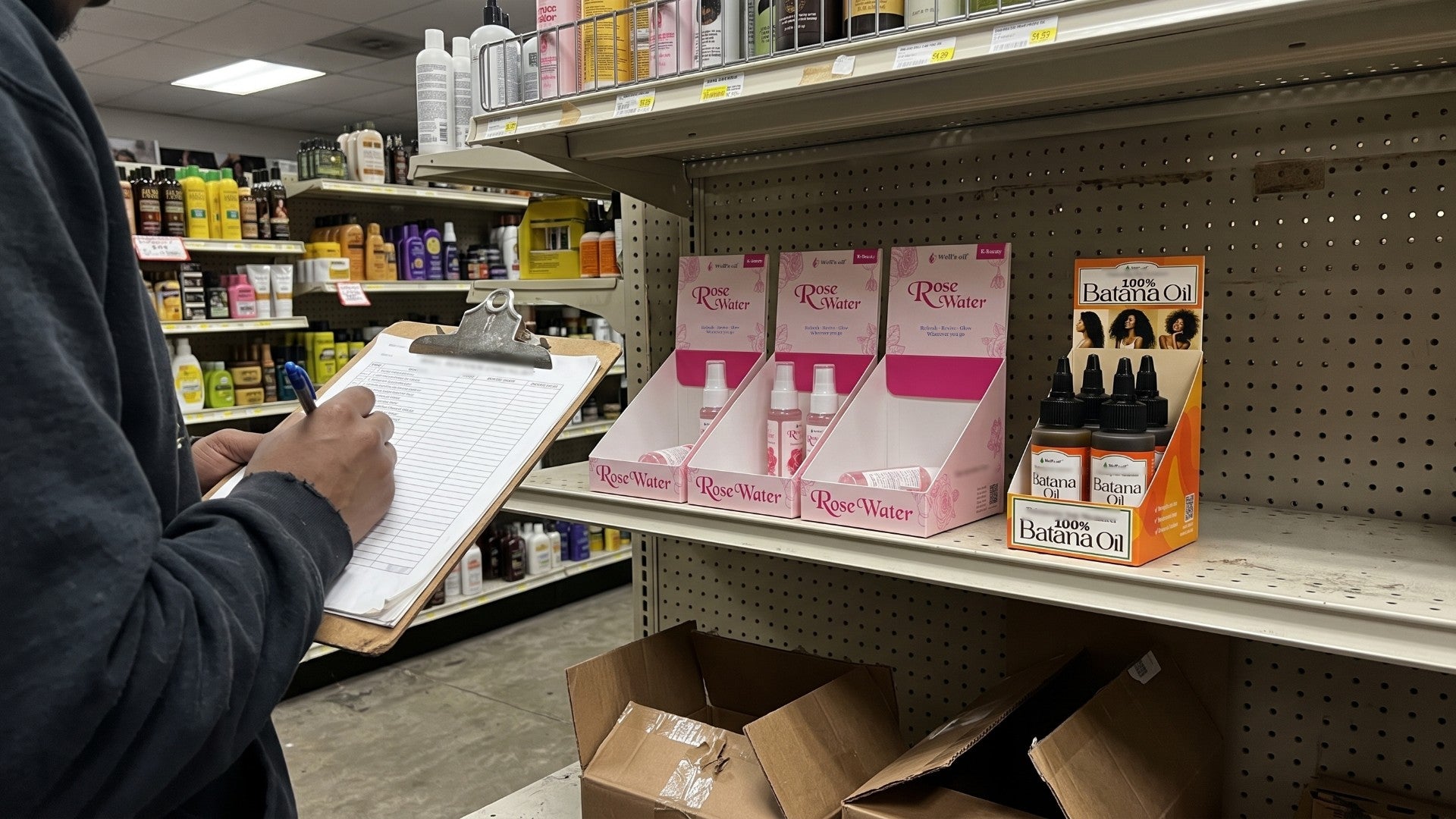
Put the holes on a wholesale order that same night. IWELL US Wholesale orders placed during business hours usually ship the same day, and within 3 business days at most. There's no minimum order quantity, so you can reorder exactly what the weekend took, and shipping is free over $500 (flat $35 below), a threshold a post-Black Friday restock clears easily. For sizing the rest of the season, our holiday order-depth guide walks through the math. The stores that reorder Sunday night are restocked for the second weekend of December's biggest month. The ones that wait until "after the rush" spend it facing gaps.